Do You Need a VPN in China?
Published: July 16, 2026 · TravelChinaTip
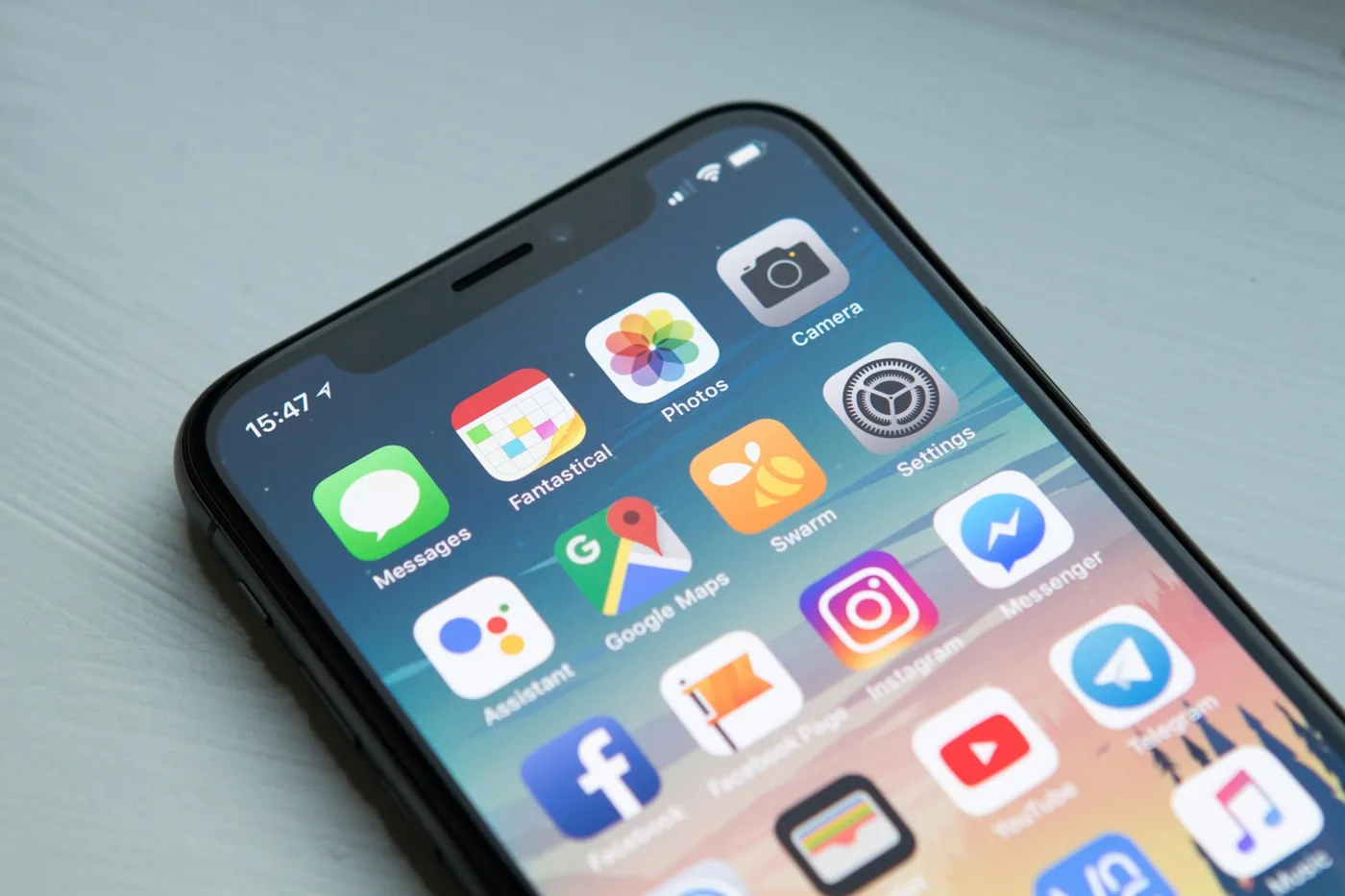
Short answer: If you rely on Google, Gmail, Instagram, WhatsApp, or Western news sites during your trip, you will likely need a way to access them — because these services are not available on a standard internet connection in mainland China. Many foreign travelers prepare before departure by setting up tools they already use at home.
What Is Blocked in China?
Mainland China's internet operates behind the "Great Firewall." Commonly blocked or restricted services include Google (Search, Maps, Gmail), Facebook, Instagram, X (Twitter), WhatsApp, Telegram, YouTube, and many Western news outlets. Chinese alternatives work normally: Baidu Maps, WeChat, Alipay, Didi, and Meituan.
Hotel and café Wi-Fi has the same restrictions as mobile data — switching networks does not bypass the blocks.
What a VPN Does
A VPN (Virtual Private Network) encrypts your traffic and routes it through a server outside China, allowing access to blocked websites. Travelers typically install a VPN app on their phone and laptop before leaving home, then connect when they need Google Maps, email, or messaging apps.
Not all VPNs work reliably in China — the government actively blocks many providers. Free VPNs are generally unreliable. Paid services with obfuscation features tend to perform better, but no provider guarantees 100% uptime.
Legal Considerations
China regulates VPN use. Officially, only government-approved VPNs are legal for domestic companies. Foreign tourists using personal VPNs for accessing their own email or social media exist in a gray area. Millions of visitors do it every year, but it is not explicitly endorsed. Avoid using VPNs for anything beyond personal communication and navigation.
This is general travel information, not legal advice. Rules can change; check current guidance before your trip.
Alternatives to a VPN
A VPN is not the only way to stay connected. Depending on what you actually need, one of these may be simpler:
| Method | Unblocks Google/social? | Reliability | Cost |
|---|---|---|---|
| Paid VPN (with obfuscation) | Yes | Good, not guaranteed | ~USD 5–13/month |
| International roaming eSIM | Often yes (routes abroad) | Good | Varies; can be pricey long-term |
| Chinese apps (Baidu, WeChat) | No — replaces them | Excellent | Free |
| Offline maps | No — navigation only | Excellent offline | Free |
International roaming: Some home carriers, and many travel eSIMs, route your data through a server outside China, which sidesteps the blocks. This often works well but can be expensive on long trips.
Chinese apps: Download Alipay, WeChat, and a local map app before arrival. You can navigate, pay, and communicate for most daily needs without any Western service. See what fails and what to install in our Google Maps in China guide.
Offline maps: Apple Maps, Maps.me, and city-specific offline maps all work without internet once downloaded.
Email forwarding: Set up auto-forwarding from Gmail to an accessible address, or use your phone's native mail app over roaming.
How to Choose a VPN That Works in China
Not every VPN survives the firewall, and the ones that do change over time. When picking a provider, look for:
- Obfuscation or "stealth" mode: this disguises VPN traffic as ordinary web traffic, which is what keeps a connection alive in China
- A track record in China specifically: a provider that publicly maintains its China service is a better bet than a generic cheap one
- Multiple nearby servers: Hong Kong, Japan, and Singapore endpoints are usually faster and more stable than distant ones
- Apps on every device: install on both phone and laptop before you go
Install two different VPNs, not one. If a provider gets blocked mid-trip, having a backup from a different company saves you, because you cannot easily download a new one once you have landed. Free VPNs are generally unreliable here and best avoided.
What to Do If Your VPN Stops Working
Even good VPNs drop out, especially around sensitive dates. If yours fails, try switching to a different server or city, toggle the obfuscation setting, or change the connection protocol in the app's settings. Restart the app, or the phone, before assuming it is dead. If one provider is fully blocked, switch to your backup VPN. And remember you can still function entirely without one: Alipay, WeChat, and a local map app cover payments, messaging, and navigation with no VPN at all.
Practical Setup Before You Fly
- Research and install your chosen connectivity tool on all devices at home — app stores in China may not list them.
- Test the connection on your home Wi-Fi to confirm it works.
- Download offline maps for every city on your itinerary.
- Set up WeChat and Alipay as your primary on-the-ground tools regardless of VPN.
- Save important confirmations (hotel, train tickets, flight) as screenshots or PDFs offline.
Conclusion
You do not need a VPN to survive in China — locals live entirely within the Chinese internet ecosystem, and Alipay, WeChat, and a local map app cover daily life. But if Google Maps, Gmail, Instagram, or WhatsApp are part of your routine, set up your connectivity before departure and test it at home. The worst time to figure this out is at Beijing airport with no way to reach the app store.
FAQ
Do I need a VPN as a tourist in China?
Only if you want Google, Gmail, Instagram, WhatsApp, or Western news during your trip. Daily essentials — navigation, payments, messaging — all work through Chinese apps without a VPN. Decide based on which services you cannot do without.
Which apps and sites are blocked in China?
Google (Search, Maps, Gmail), Facebook, Instagram, X, WhatsApp, Telegram, YouTube, and many Western news outlets are blocked or restricted. Chinese equivalents like Baidu Maps, WeChat, Alipay, and Didi work normally.
Do I have to install a VPN before arriving?
Yes. VPN provider websites and app listings are themselves blocked inside China, so install and test your VPN on home Wi-Fi before you fly. Trying to set one up after you land is difficult.
Is using a VPN in China legal for tourists?
China regulates VPNs, and only government-approved ones are officially sanctioned. Foreign tourists using a personal VPN for their own email and social media sit in a gray area that millions use each year. This is general information, not legal advice; check current guidance before your trip.