Shangri-La Travel Guide for Foreigners
Published: July 16, 2026 · TravelChinaTip
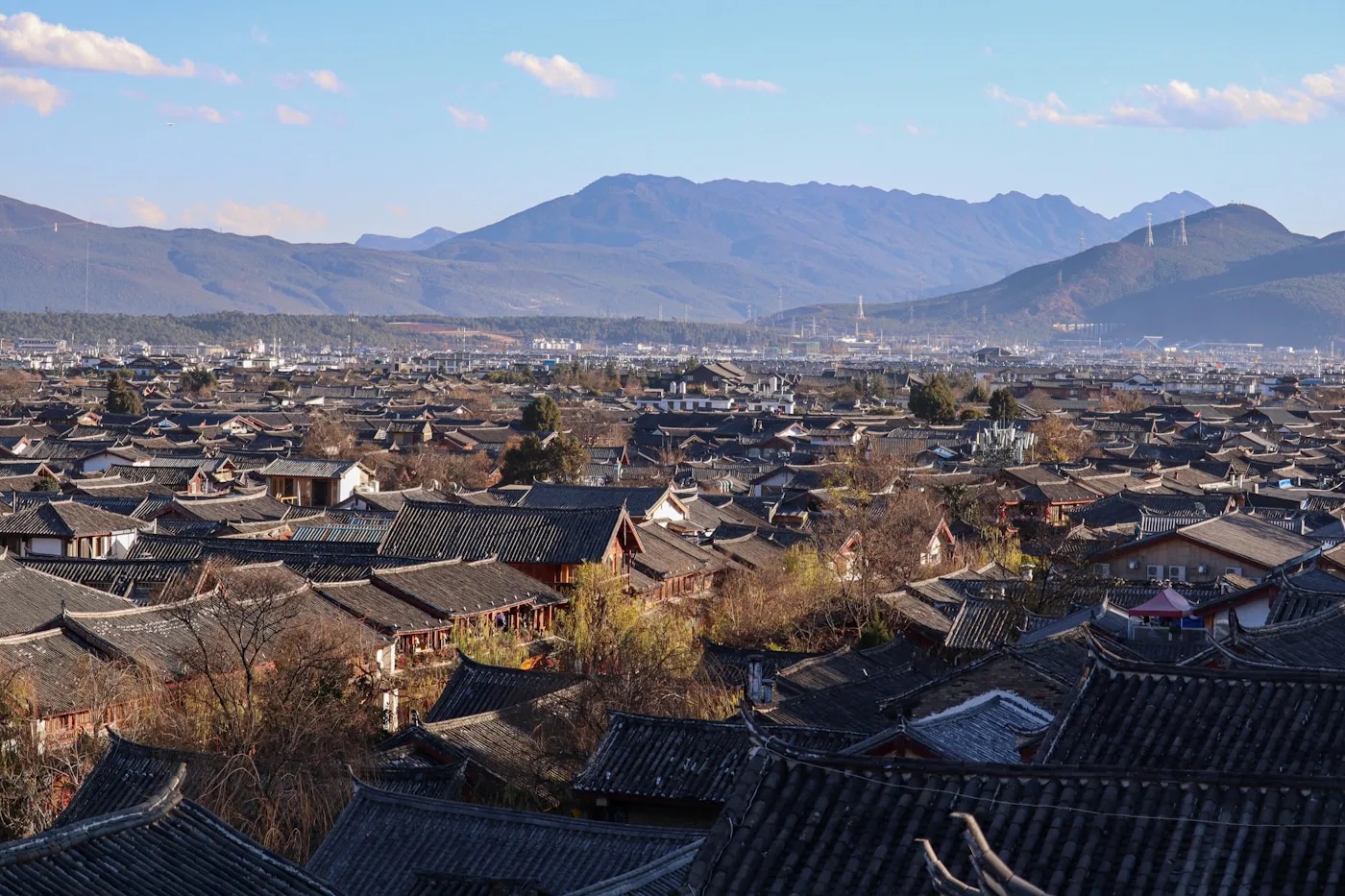
Shangri-La (香格里拉, formerly Zhongdian) is Yunnan's Tibetan frontier — prayer flags, alpine meadows, and Songzanlin Monastery at 3,200 meters elevation. It is a 3–4 hour bus ride north from Lijiang and pairs naturally with a Yunnan trip after you have acclimatized at Lijiang's 2,400 m. Allow 2 nights minimum.
Top Sights
Songzanlin Monastery (松赞林寺) — The largest Tibetan monastery in Yunnan, nicknamed "Little Potala." ¥90 entry including bus. Dress modestly, no photos inside prayer halls. Best at morning chanting (8–9 a.m.). Pudacuo National Park (普达措) — Alpine lakes, meadows, and forest boardwalks at 3,500 m. ¥138 including shuttle bus. Half-day visit. Dukezong Ancient Town — Rebuilt Tibetan old town with a giant prayer wheel — free, best at sunset.
Altitude Warning
At 3,200 m, Shangri-La is significantly higher than Lijiang. Symptoms: headache, breathlessness, poor sleep. Acclimatize in Lijiang 2+ days first. Drink water, avoid alcohol day one, eat light meals. Oxygen canisters (¥60) available at pharmacies. If symptoms worsen, descend to Lijiang immediately.
Top Sights at a Glance
| Sight | Entry | Time | Best for |
|---|---|---|---|
| Songzanlin Monastery | ¥90 (incl. bus) | 2 hrs | "Little Potala"; morning chanting |
| Pudacuo National Park | ¥138 (incl. shuttle) | Half day | Alpine lakes and meadows |
| Dukezong Ancient Town | Free | 1–2 hrs | Giant prayer wheel at sunset |
Getting There
Bus from Lijiang Bus Station: 3.5–4 hours, ¥60–80, several daily. Private driver: ¥400–600 one-way. DiDi does not work reliably for intercity trips here. Shangri-La Airport (DIG) has limited flights to Kunming and Chengdu. Winter roads can ice over, so check the weather December–February.
Where to Stay and What to Eat
Base yourself in or near Dukezong Ancient Town for atmosphere and walkable access to cafes and the prayer wheel. Guesthouses are simple; confirm they have heating, as nights are cold year-round at 3,200 m. Try Tibetan staples like yak butter tea, yak hotpot, and barley tsampa. Carry some cash, since smaller family-run places may not take foreign-card mobile pay reliably.
Conclusion
Shangri-La adds Tibetan culture and alpine scenery to any Yunnan route. Go after Lijiang so you have acclimatized, respect the altitude, and spend at least two nights. See also our Lijiang guide and Yunnan overview.
FAQ
How do I get to Shangri-La?
Most travelers take a bus from Lijiang (3.5–4 hours, ¥60–80) after acclimatizing there. A private driver costs ¥400–600 one-way, and Shangri-La Airport has limited flights to Kunming and Chengdu. Intercity DiDi is not reliable on this route.
Is altitude sickness a problem in Shangri-La?
It can be. At 3,200 m, Shangri-La is much higher than Lijiang, so headaches, breathlessness, and poor sleep are common. Spend a couple of days at Lijiang's 2,400 m first, drink water, skip alcohol on day one, and descend if symptoms worsen.
How many days do you need in Shangri-La?
At least two nights. That gives you Songzanlin Monastery, Pudacuo National Park, and Dukezong Ancient Town at a relaxed pace suited to the altitude, without rushing straight back to Lijiang.
Is Shangri-La in China the real Shangri-La?
The town of Zhongdian was officially renamed Shangri-La in 2001 after the mythical valley in James Hilton's novel Lost Horizon. It is a genuine Tibetan-culture town in northwest Yunnan, not the fictional paradise, but the monasteries and alpine scenery live up to the name.