How to Book China High-Speed Train Tickets
Updated: July 25, 2026 · TravelChinaTip
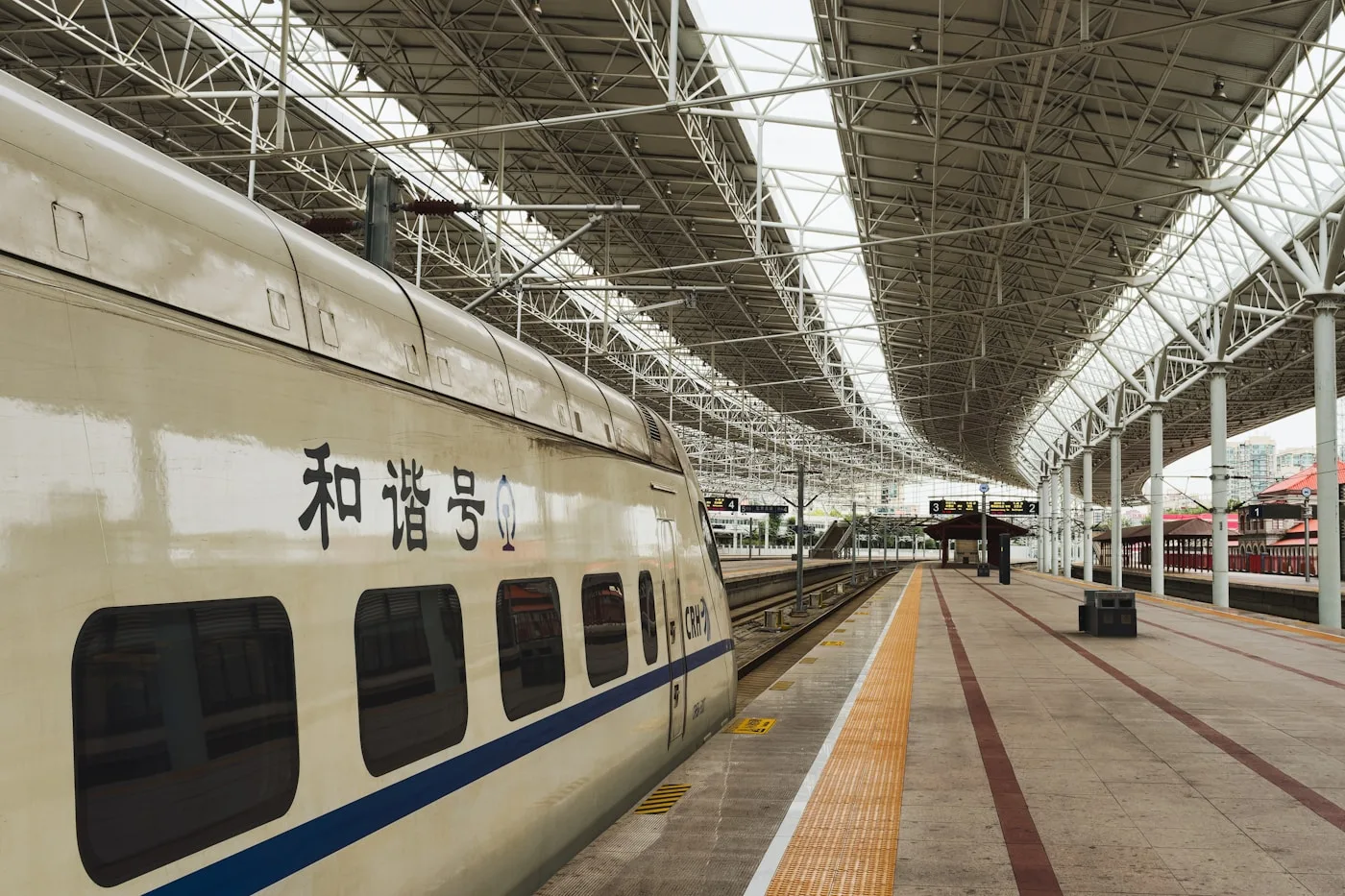
China’s high-speed rail network is one of the best reasons to travel independently. Trains are fast, frequent, and often faster door-to-door than flying on popular routes like Beijing–Xi’an or Shanghai–Hangzhou. Foreign passport holders can book and ride — you just need to know which platforms accept international IDs and what to expect at the station.
Where to Book
Trip.com (recommended for foreigners) — Accepts foreign passports, English interface, and international cards. You receive an e-ticket pickup code or can sometimes enter your passport directly at gates in major stations. Service fees are small; convenience is high. Book as early as possible — popular routes sell out on holidays.
12306.cn (official railway site/app) — Cheapest fares, no middleman fee. The app now supports English and foreign passport registration, but verification can be finicky (passport scans, face recognition, Chinese phone number for SMS). Many foreigners still find Trip.com or station counters easier for a first trip.
At the station — Every major station has ticket windows and self-service machines that accept foreign passports. Useful for same-day travel or when online booking fails. Bring your passport; staff at the “manual service” counter often speak basic English at tier-one city stations.
Step-by-Step Guide
- Book online with passport details — Enter your name exactly as printed on your passport. Select train number (G and D trains are high-speed), date, and seat class. Second class is comfortable for most travelers; first class adds wider seats and more legroom.
- Arrive early — Major stations are enormous. Allow 45–60 minutes before departure for security, finding your waiting hall, and boarding. Beijing South, Shanghai Hongqiao, and Xi’an North can require long walks from metro to gate.
- Pass security and find your gate — Show passport and ticket (QR code or paper) at entrance security. Check overhead screens for your train’s boarding gate — gates change sometimes. Waiting halls are labeled in Chinese and English at large stations.
- Board with passport scan — High-speed trains use automated gates: scan your passport or QR ticket, then face the camera. Station staff help foreigners who get stuck — have your booking confirmation ready on your phone.
- On the train — Stow luggage on overhead racks or at the end of the car. A trolley service sells snacks and drinks. Toilets are at both ends of each car. Keep your passport handy — occasional ticket checks happen mid-journey.
Seat Classes Explained
Second class (二等座) — 3+2 seating, clean and air-conditioned. Best value; what most travelers book.
First class (一等座) — 2+2 seating, more space, quieter. Worth it on trips over four hours if you want to work or sleep.
Business class (商务座) — Lie-flat or recliner seats, most expensive. Nice for Beijing–Shanghai (about 4.5 hours) if budget allows.
Standing tickets — Sold on some routes when seats sell out. Avoid for long distances — you will stand in the aisle for hours.
FAQ
How early should I book high-speed train tickets?
Tickets typically go on sale 15 days ahead on 12306 (Trip.com may show availability slightly earlier or later). For Golden Week, Chinese New Year, or summer weekends, book the moment sales open. Off-peak weekday trains often have same-day availability.
Can I change or refund a ticket?
Yes, through the platform you bought from. Changes are free or low-cost if done before departure; refunds incur a small fee that increases closer to departure time. Trip.com handles this in English; at-station purchases can be modified at the ticket window with your passport.
Which station should I use in Beijing and Shanghai?
High-speed trains use dedicated stations: Beijing South (北京南) for most G-trains south and to Xi’an; Shanghai Hongqiao (上海虹桥) connects high-speed rail with the airport metro. Do not go to Beijing Railway Station or Shanghai Station unless your ticket specifically says so — wrong station means a missed train.
Is there a luggage limit?
No strict weight check for personal luggage like at airports, but you must carry bags yourself through the station and onto the train. Large suitcases fit on overhead racks in second class but can be awkward. Pack a smaller bag with essentials at your seat if your main bag is stored at the end of the car.