Short answer: China in 2026 is easier for foreigners than Reddit horror threads from 2018 suggest — but only if you set up payments and data before you fly. The trip itself felt safe, cheap relative to Europe, and logistically intense. The stress was almost never "danger." It was "my phone can't pay" and "Google Maps just died."
I am writing this after looping Beijing → Xi'an → Chengdu → Shanghai with a US passport, Trip.com tickets, and Alipay on a foreign Mastercard. Below is what I wish someone had told me in plain English — the same questions that keep topping r/travel and r/Chinavisa threads — plus what held up on the ground.
What Reddit Gets Right — and Wrong
Scrolling "first time China" threads the week before my flight, I saw the same debates on loop: cash vs QR codes, VPN brands, whether English "exists," and whether solo travel is reckless. After the trip, my scorecard looked like this:
| Reddit claim | My reality |
|---|---|
| "You need stacks of cash" | False for cities. Mobile pay ran 95% of my days. Cash was a backup. |
| "Foreigners can't use Alipay" | Outdated. Foreign cards work after passport verification — set up at home. |
| "Google Maps works fine" | False on mainland networks. Use Amap / Apple Maps / Baidu. |
| "China is unsafe" | Overstated for street crime in big cities. Logistics stress is the real issue. |
| "You must speak Mandarin" | Helpful, not required. Apps + Chinese address cards carry you. |
| "VPN or nothing" | Half-true. A good travel eSIM often matters more than a flaky VPN. |
What to Set Up Before You Fly
The single feeling I remember from landing at Beijing Capital: relief that Alipay already worked, and mild panic watching a couple next to me try to download apps on airport Wi‑Fi. Do this at home, on your own network:
- Confirm visa or 240-hour visa-free transit eligibility for your passport.
- Install and verify Alipay; add WeChat Pay as backup.
- Buy a travel eSIM for China (or confirm roaming). Install before departure.
- If you still want a VPN, install and test it now — see VPN for tourists.
- Download DiDi, Trip.com, and a China map app. Save hotel names in Chinese characters.
- Book first long-distance trains early on Trip.com.
I did steps 2–5 three nights before the flight. That timing worked. Doing them in a jet-lagged hotel lobby would not have.
Payments: Alipay Is Not Optional Anymore
On day two in Xi'an I watched a traveler try to buy bottled water with a foreign chip card. The clerk shook her head politely and pointed at a QR code. That moment taught me more than any blog: China is not "cash preferred." It is QR-first.
What worked for me: Alipay linked to a US Mastercard, passport real-name done at home, small service fee on foreign-card spend. WeChat Pay as a second option at a few stalls. A thin cash fold for the one night market vendor whose scanner was offline — see cash in China.
Feeling on the ground: once Alipay clicked, daily life felt modern and frictionless. Before it worked, every purchase felt like a negotiation I was losing.
Internet: eSIM vs VPN (What Actually Mattered)
Reddit loves VPN brand wars. My honest take: the more useful decision was data routing. With a travel eSIM that kept Western apps reachable, WhatsApp to family just worked. On hotel Wi‑Fi without that, Instagram spun forever and Gmail felt like 1999 dial-up — if it loaded at all.
I still kept a VPN installed as a backup. Some days it connected; some days it fought me for ten minutes in a taxi. I would not build a whole trip around a single VPN brand "working forever." Build it around: working mobile data + Chinese apps for maps and payments + VPN only for the Western tools you truly need.
For navigation, assume Google Maps will fail on mainland networks. I used Apple Maps in Shanghai and Amap elsewhere, with DiDi for door-to-door rides.
Trains Beat Most Short Domestic Flights
Beijing to Xi'an by G-train was the highlight I did not expect to love: clean, on time, passport scan at the gate, seat power for my power bank. Airport security and taxi chaos would have eaten the "faster flight" advantage.
Book on Trip.com with your passport name spelled exactly as printed — middle names included. I saw one traveler turned away at an automatic gate over a missing middle name; a staffed lane fixed it, but it cost twenty anxious minutes. Details: booking China trains on Trip.com and the broader high-speed train guide.
On-the-Ground Surprises Nobody Softened Enough
English exists — in the wrong places
Metro maps: bilingual. Noodle shop auntie: not bilingual. I stopped expecting conversation and started showing Chinese addresses on my phone. That shift dropped my daily stress by half. More detail: is English spoken in China?
Toilets and tissues
Yes, squat toilets are real outside fancy malls. Carry tissues and hand sanitizer. It is not a crisis — it is a packing line item. See the squat toilet guide if you want the full unglamorous briefing.
Tap water and "free hot water"
Do not drink tap water. Hotel kettles and endless thermos refills of boiled water became my normal. Bottled water is cheap. Guide: is tap water safe in China?
Tipping culture
I almost left cash on a restaurant table out of US habit. The waiter chased me down the street to return it. Do not tip by default — tipping is not customary.
Safety vs overwhelm
I felt safer walking at night in Chengdu than in parts of US cities I know well. What wore me down was sensory load: crowds, queues, passport checks, and decision fatigue. Plan lighter days after long train legs. Solo travel notes: solo travel safety in China.
7-Day Pre-Trip Checklist
| When | Do this |
|---|---|
| T‑30 days | Visa / visa-free check; passport 6+ months validity; outline cities |
| T‑21 days | Book refundable hotels that accept foreign passports; sketch train legs |
| T‑14 days | Book popular G-trains on Trip.com as the sale window opens |
| T‑7 days | Alipay + WeChat Pay verified; eSIM purchased; DiDi installed |
| T‑3 days | Test payments & VPN/eSIM; save Chinese hotel addresses offline |
| T‑1 day | Pack adapter, tissues, power bank; screenshot tickets and confirmations |
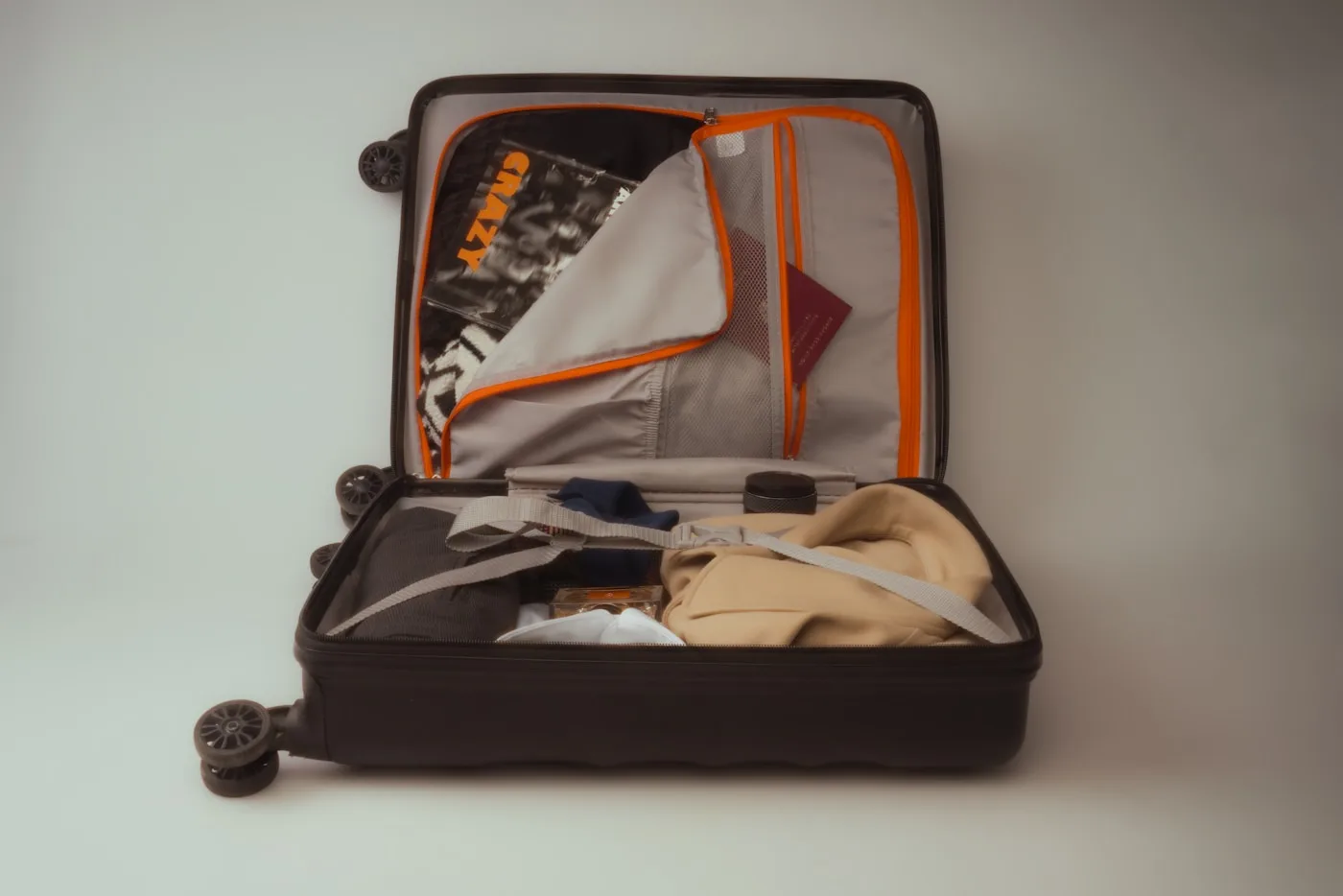
For the bag itself, use our packing list. For money planning, skim how much a China trip costs and the daily budget guide.
Would I Go Again?
Yes — and I would start the tech setup earlier, not pack more clothes. China rewarded curiosity and punished last-minute improvisation. If you treat the week before departure like part of the itinerary, the country opens up fast: food stalls, night metros, bullet trains, and the odd moment when a stranger walks you to the right subway exit without sharing a language.
If you only read three pages on this site before you fly, make them Alipay, eSIM/VPN, and trains. Everything else you can learn as you go.